

Our Services
The services you need to get the right job done right.
From analysis and assessment to negotiation and design, we have the services—and the team—to deliver the best solutions each and every time.
How? Our team of toxicologists, engineers, geoscientists, marine scientists, chemists, data scientists, and others skillfully blend technical expertise with big-picture context and insight.
analytics
We combine high-value analytics and a wealth of subject matter expertise to deliver insightful solutions.
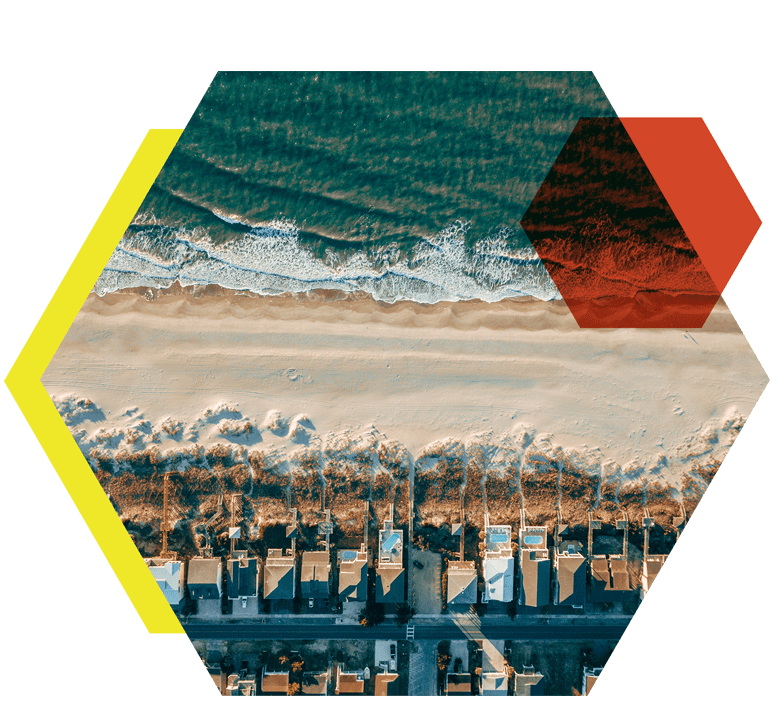
Coastal Climate Risk & Resilience
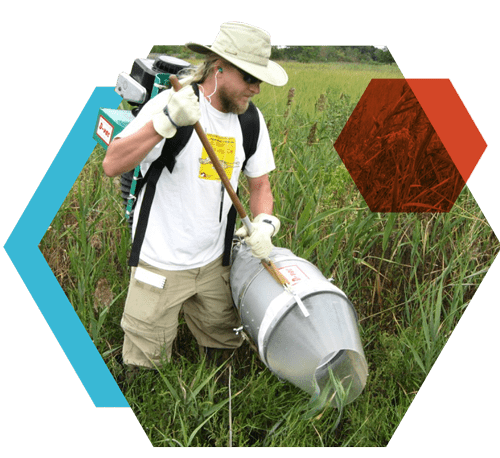
ECOLOGY
We help clients assess, manage, and mitigate ecological impacts associated with products, projects, and environmental practices.

ECONOMICS
We help clients identify and manage both liabilities and opportunities that emerge from activities relying on or affecting natural resources and the environment.
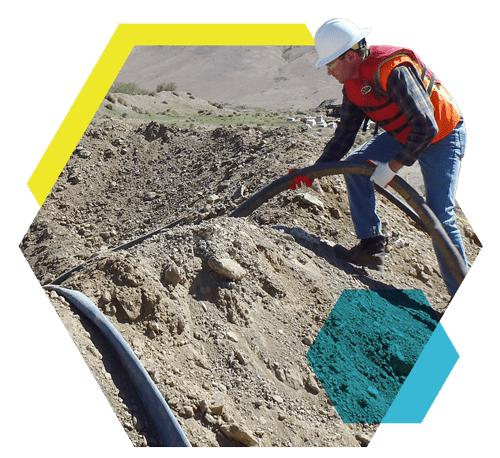
ENGINEERING
Our team develops practical remedies for all phases of remediation, stormwater, and development projects.
Environment
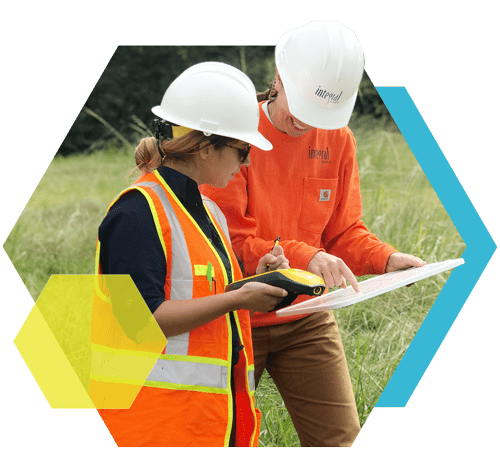
Whether it’s cleaning up legacy pollution, complying with environmental protection standards, or ensuring that restored environments are safe, we deliver permanent solutions that work.

HEALTH
We work proactively to help clients and their counsel manage health risks and liabilities.
We deliver the facts with context and insight to answer the important questions in a clear and understandable way.
MODELING
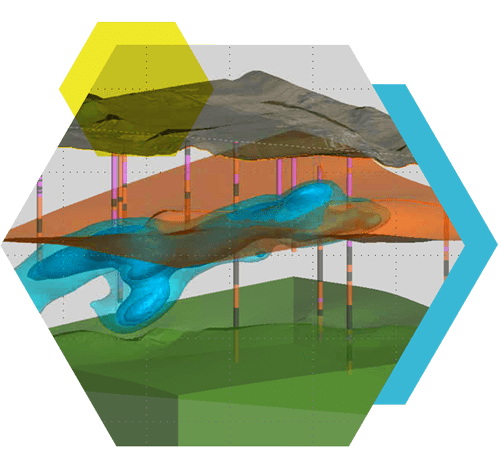
We use a variety of tools and approaches to build analytical models of the site environment and deliver clear visualization and communication of complex model results.
OCEANS
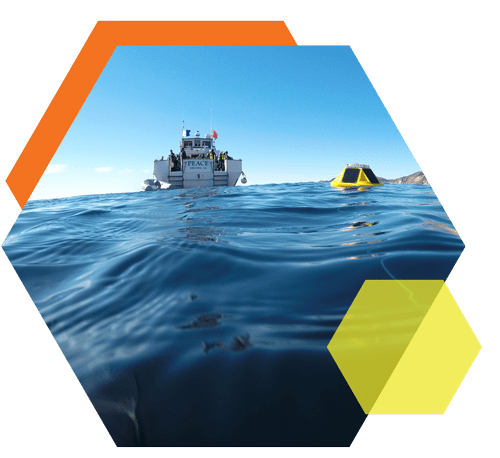
We bring multidisciplinary expertise to develop practical solutions for our clients’ needs, from best practices in forecasting and monitoring, to efficient and effective permitting, to supporting sustainable development in challenging aquatic environments.
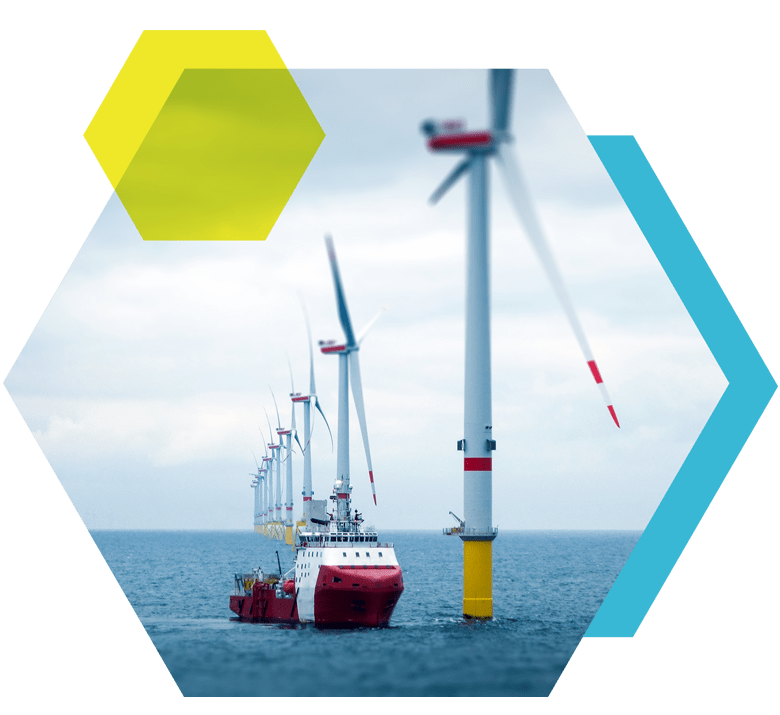
Offshore Wind

PFAS
Our team is at the forefront of technical and regulatory PFAS developments. Our experts can guide you through new and complex PFAS regulations and evaluate associated risks.
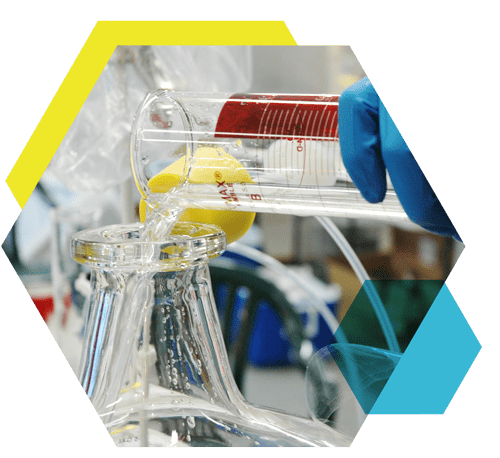
PRODUCT STEWARDSHIP
We help clients bring new products to market and ensure the safety of their existing products.
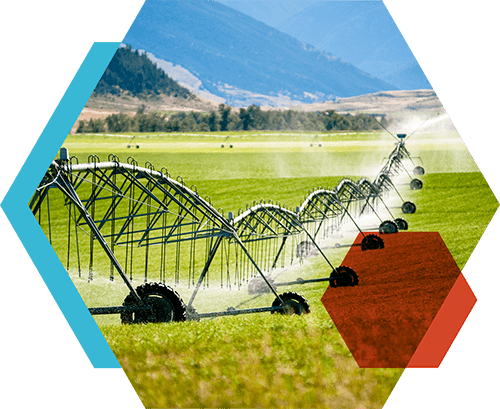
Water Resource Management
Our water resources team is a diverse, internationally experienced, and passionate group that will work with you to solve your challenges big or small.

Our People Are Our Strength
We offer a highly experienced and dedicated team of professionals and supporting staff, many of whom are recognized experts in their fields. Technical specialists include ecologists, toxicologists, biologists, aquatic scientists, geologists, hydrogeologists, environmental and atmospheric chemists, and meteorologists, as well as civil, environmental, hydrologic, and geologic engineers.
case studies
recent news and articles
Integral Consulting and Verdi Technology Form Strategic Partnership to Advance Occupational Health, Safety, and Chemical Risk Management Solutions for EV and Lithium-Battery Value Chain
Integral Consulting Inc. (Integral) announces a strategic partnership with Verdi Technology Inc. (VTI) to deliver integrated occupational health, industrial hygiene, toxicology, and data solutions for emerging, sustainable industries including electric vehicle (EV),...
The Benthic Zone (September 2025 Edition): Integral’s Sediment Newsletter
The Benthic Zone newsletter is the place where Integral scientists and engineers share their expertise, running the gamut of topics related to investigation, forensic evaluation, modeling, and remediation of contaminated sediment. Take a look under the water with us. ...
Integral Consulting Expands Site Remediation Services with Acquisition of PennJersey Environmental Consulting
BOULDER, Colo. — Integral Consulting Inc., a leading environmental, scientific, and engineering consulting firm, is pleased to announce the acquisition of PennJersey Environmental Consulting, based in Milford, New Jersey. This strategic acquisition enhances Integral’s...