
Restoration
Resilient ecosystem recovery without project failure risks.
Complex restoration projects can derail timelines and budgets when underlying stressors aren’t properly addressed. Our experienced certified ecological restoration practitioners, ecologists, and wetland scientists collaborate closely with experts in permitting, hydrology, geology, advanced modeling, and economics to deliver strategic nature-based solutions that achieve lasting ecosystem recovery and regulatory success.
Restoration Experts
Jen Lyndall, CERP, CSE Principal
Chris Pfeifer Senior Consultant
Paula C. Gill, PWS Principal, Permitting and Planning
Andrew Wycklendt, P.E., BCCE Senior Engineering Advisor
Knowledge Share
Turning a $25 Million Environmental Liability into Community Legacy
Forensic Wetland Delineation Resolves Regulatory Uncertainty at California Vineyard
Rio Del Mar State Beach Living Shoreline Project – Santa Cruz, CA
If coordination of remediation and restoration under CERCLA is such a good idea, why is it not practiced more widely?
Effects of Dam Removal Sediment Releases on Coastal Lagoon Dynamics and Ecosystems
Bioremediation and Phytoremediation of an Oil-Contaminated Salt Marsh in South Louisiana
Our unique combination of restoration ecologists, permitting specialists, hydrologists, geologists, and quantitative modelers solves restoration challenges that single-discipline firms cannot address.
Mitigation & Wetland Management
Transform regulatory requirements into successful ecosystem outcomes through strategic ecosystem restoration including aquatic, wetland, and terrestrial restoration. Our integrated, nature-based approach addresses root environmental stressors to ensure your mitigation projects deliver sustainable ecological function and regulatory compliance from day one.
Specialized Services:
- Streamlined settlement negotiations through credible restoration proposals
- Integration of restoration into permitting mitigation requirements and remedy impact mitigation
- In-house permitting experts ensure efficient navigation of regulatory processes and timely approvals
- Maximized ecological credit value for your restoration investment
- Reduced monitoring and maintenance burdens
- Clear success metrics to address project goals
- Adaptive management plans to allow flexibility in successful resolution
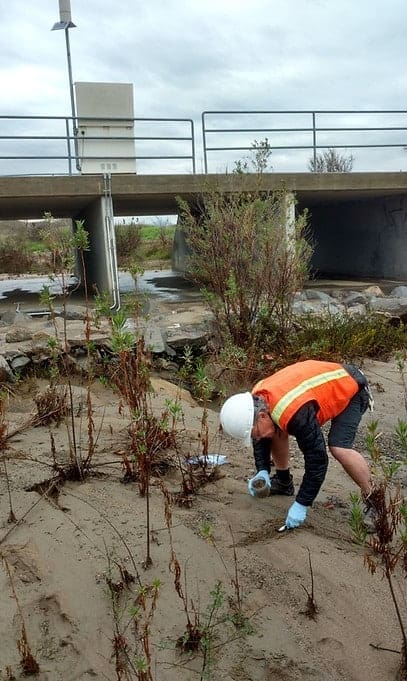
Natural Resource Damage Assessment & Compensatory Restoration
Turn environmental liabilities into strategic restoration investments that restore ecosystem services while satisfying legal obligations. We design compensatory restoration that create or enhance natural resources and services to address injuries and resolve natural resource liability.
Specialized Services:
- Streamlined settlement negotiations through credible restoration proposals
- Maximized ecological credit value for your restoration investment
- Reduced monitoring and maintenance burdens
- Clear success metrics that address monitoring requirements

Comprehensive Restoration Solutions for Complex Sites
Our integrated expertise delivers restoration projects that work long-term, with a focus on nature-based solutions for sustainable outcomes.
Advanced Capabilities:
- Root cause analysis led by certified ecologists and technical specialists to prevent restoration setbacks
- Predictive modeling that optimizes restoration design for climate resilience
- Implementation of nature-based solutions to maximize biodiversity, ecological function, and climate resilience
- Contaminated site restoration that addresses both ecological and chemical stressors
- Visual representation of monitoring and restoration progress to support science communication and community engagement
- Portfolio management to scale restoration

FAQs
Many restoration firms focus only on planting and monitoring. Our multi-disciplinary team identifies underlying chemical, physical, and biological constraints before designing restoration strategies. Choosing certified and experienced ecological restoration practitioners is a strategic investment in project success and risk management.
A well-designed restoration project improves key ecological attributes, which may result in enhanced biodiversity, climate resilience, and ecosystem services while meeting regulatory requirements. Our team employs innovative monitoring approaches—including eDNA analysis, passive acoustic avian monitors, bat acoustic sensors, and other biomonitoring and biodiversity assessments—to track progress, especially at scale.
We also use the Society for Ecological Restoration’s ecological recovery wheel and social benefits wheel to assess, visualize, and communicate the restoration trajectory, providing stakeholders with a clear understanding of ecological and social outcomes throughout the project.
We recognize that external factors may impact the potential success or failure of restoration projects. To address these uncertainties, we can employ predictive modeling and root cause analysis to identify and mitigate potential failure points before construction begins. Additionally, we can design projects to succeed in current conditions and future conditions that may be characterized by different hydrologic and climate regimes due to climate change.
Our multidisciplinary team addresses hydrology, soil chemistry, and ecosystem connectivity simultaneously, enabling us to resolve underlying issues rather than only responding to symptoms as they occur. Following project completion, adaptive management strategies are utilized to optimize outcomes in dynamic environments.
Strategic restoration in key areas can protect supply chains and infrastructure from climate impacts while generating regulatory credits. We help companies identify restoration opportunities that serve both risk mitigation and compliance objectives.
All three strategies aim to improve environmental outcomes by leveraging ecological processes and science-based approaches. Nature-based solutions use natural processes and ecosystems to address environmental challenges like climate resilience or water management. Mitigation refers to actions taken to offset or compensate for environmental impacts, and is often used to meet regulatory requirements. Restoration focuses on returning degraded ecosystems to a healthy, functioning state.
At Integral, we offer each of these approaches depending on the regulatory and project context, ensuring our solutions are tailored to client needs and site conditions.