
Dredged Material Management Services
Dredging projects, be they for waterfront development, maintenance, or remediation, require a multi-disciplinary team adept in permitting, environmental review, site characterization, sediment management, engineering design, and environmental compliance. Integral helps our clients, including public and private entities, port authorities, and facility managers navigate the complicated process and execute successful dredging projects through our integrated approach that is supported by experts in every necessary discipline. We support all aspects from planning, sampling and analysis, and regulatory authorizations to engineering design, bid support, and construction oversight. We deliver data-driven solutions informed by natural processes.
Technical Leaders
Bridgette R. DeShields Senior Principal
Timothy Fleming Senior Consultant, Practice Director – Sediment and Water Investigation and Monitoring
Danielle Gonsman Consultant
Samuel McWilliams, E.I.T. Senior Consultant, Practice Director - Marine Science and Engineering
Andrew Wycklendt, P.E., BCCE Senior Engineering Advisor
Robert A. Walker, P.E. Principal, Coastal Engineering
Knowledge Share
Dredging in Douglas Harbor, Alaska
Sediment Cap Evaluation, Design and Permitting, Mission Bay Ferry Terminal Project: California
Riverbank Source Control Measure, Portland Harbor
Beneficial Use of Contaminated Sediments: Focused Review of Treatment Technologies
Dredged Material Management Sampling: Considerations for Maintenance Dredging at a Yacht Club on the Lower Duwamish Waterway
Mapping Dredging Residuals and Disposal Deposits
Dredging Plans and Feasibility
Our approach integrates site specific bathymetry, sediment data, engineering and cost analysis, and regulatory requirements to guide decision-making. We complete assessments and create dredging plans that balance operational goals, environmental management, regulatory requirements, and cost efficiency through comprehensive assessments and strategic planning.
Technology and Equipment
We use specialized technology to collect better data, enhance operational oversight, and support adaptive decision-making.
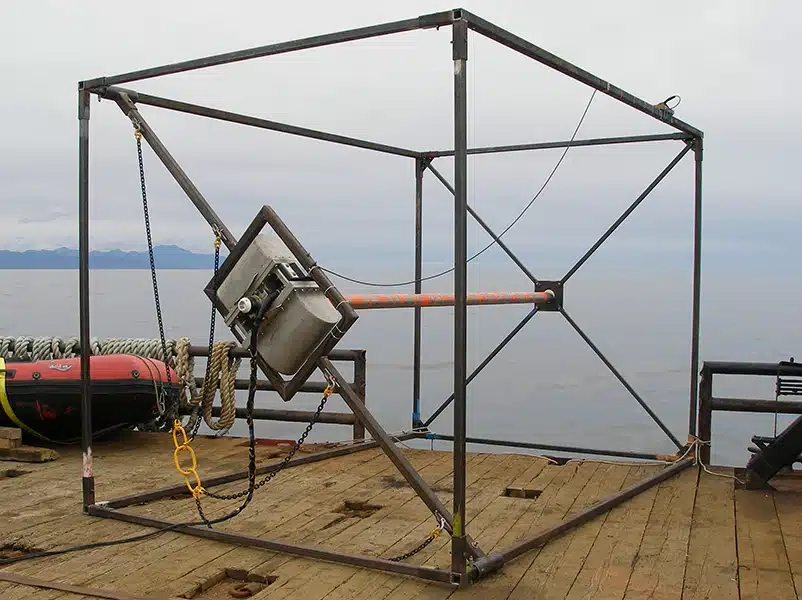
Integral deploys state-of-the-art marine sampling and monitoring equipment, including SPI–PV cameras, vibracore rigs, SEDflume systems, and telemetry-enabled sondes. Our mobile field teams work efficiently across inland and coastal systems, ensuring high data quality and responsive adjustments during fieldwork. These tools support sediment characterization, habitat imaging, and real-time compliance tracking.
Equipment includes:
- SPI–PV camera systems
- Vibracore samplers
- Telemetry sondes
SEDflume systems - Portable QA/QC stations
- Mobile and modular barges
Permitting & Planning
We guide clients through complex permitting processes, reducing delays and ensuring alignment with agency requirements while maintaining maximum flexibility for implementation. Our permitting expertise streamlines approvals while meeting project objectives.
- Strong knowledge of regulations with staff that are former regulators
- Skill in navigating multiple agency requirements efficiently
- Strategic services including constraints analysis and close coordination with design teams
FAQs
- All dredging projects in waters of the U.S. require a 401 Water Quality Certification and 404 and Section 10 permits under the Clean Water Act (CWA)
- Other approvals and authorizations are needed from U.S. Fish and Wildlife Service and state fish and wildlife agencies as well as the NOAA National Marine Fisheries Service. Other state and local approvals are often needed.
- Integral can help navigate the process and obtain permits.
- This can vary widely for different states and local jurisdictions, and requirements for maintenance of dredging are different than for remediation.
- Maintenance dredging requires chemical, physical and biological (e.g., bioassays, bioaccumulation).
- Remediation projects require site characterization under a regulatory oversight order or agreement.
- Integral can develop and implement sampling and reporting programs for both types of dredging work.